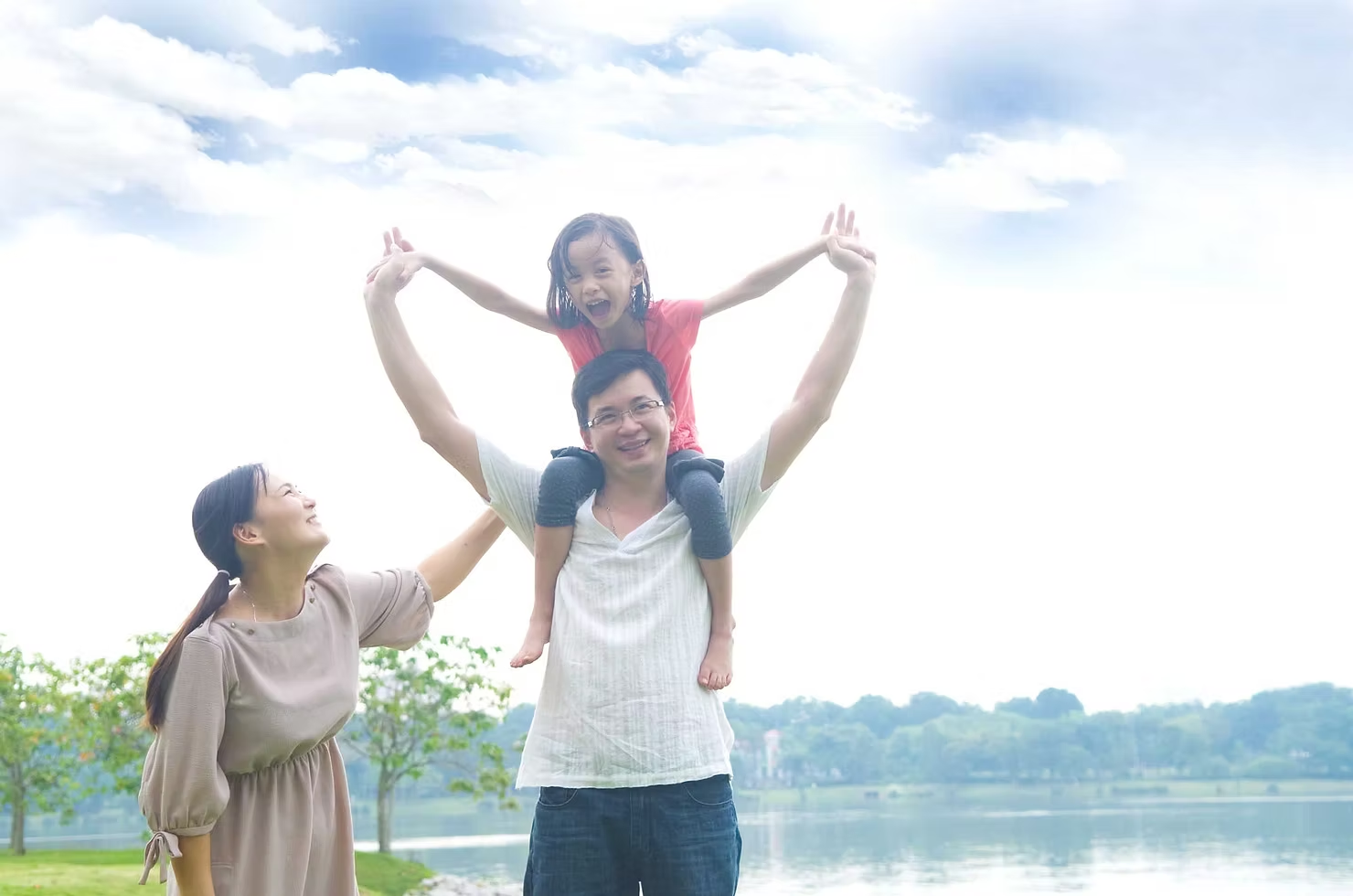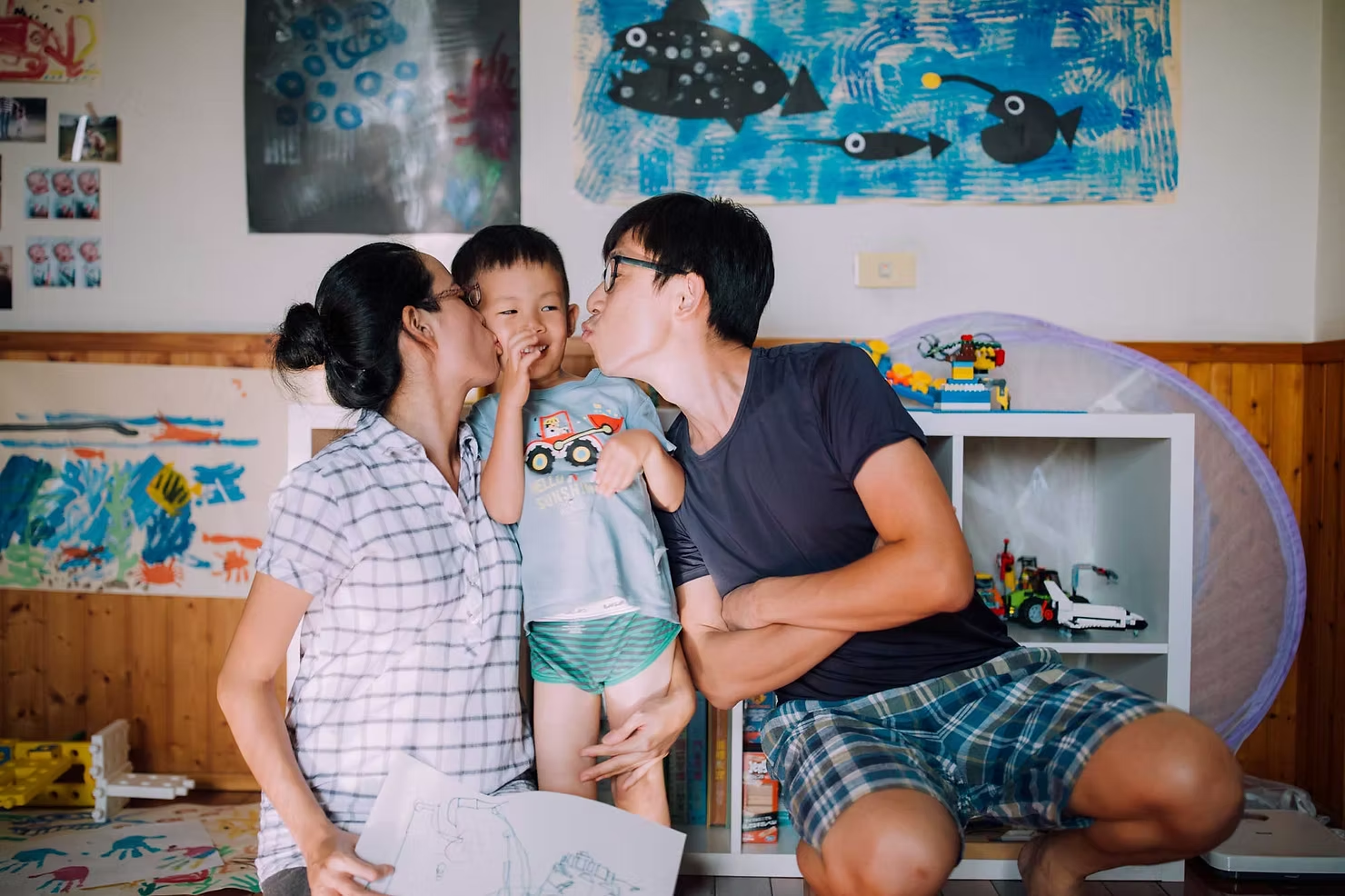
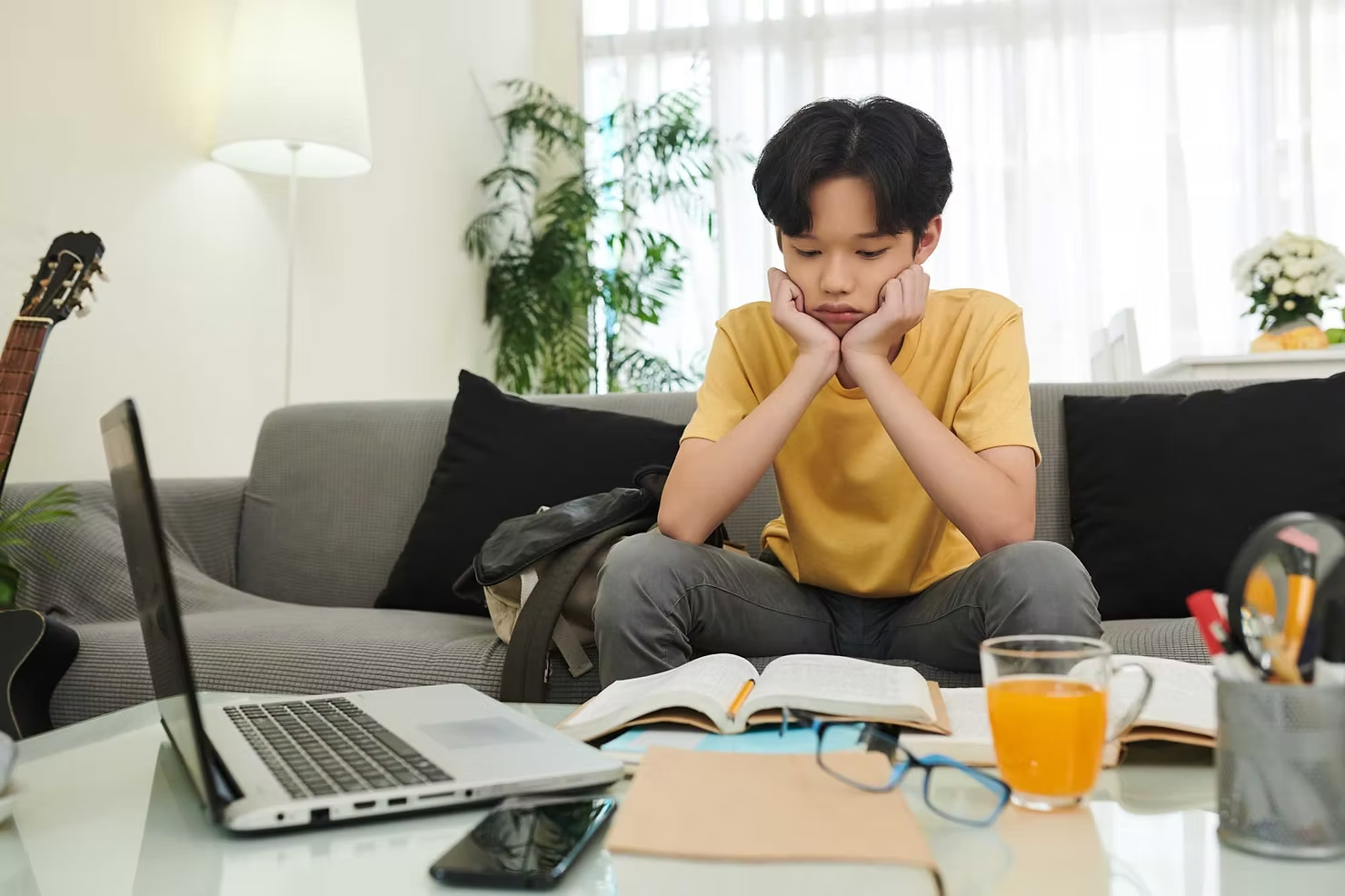
Stress is a normal part of life for every young person. Stress comes from the challenges they face at home, in school, and elsewhere; and in their relationships with family members, classmates, and others. They may experience it once (e.g., losing a pet) or for a short time (e.g., a toothache), repeatedly over a long time (e.g., tests and exams), or suddenly (e.g., a crisis).
Children and youth are currently living through a period of unprecedented Covid-19-related stress. Youth experience ongoing disrupted academic schedules, reduced social interaction, and heightened levels of anxiety and uncertainty, and grief over losses. Their bodies, ability to do work, and relationships are affected.
Good Stress
Some stress is good. This is called eustress, the optimal level of stress in daily life, which is linked to optimal performance. Eustress energizes and motivates young people to do their best work, and improves performance and engagement. It encourages the development of effective coping strategies to deal with a challenge. Eustress is healthy, and can boost the immune system and increase resilience.
Bad Stress
Some stress is bad. Acute, cumulative stress results in physical and psychological problems. Acute distresses result in gastrointestinal problems (diarrhoea or nausea). Accumulation of small distresses results in insomnia and bad habits (smoking, drugs), fatigue and demotivation. Chronic and long-term stress, such as poverty, can harm a young person’s health, weaken the immune system, and lead to mental disorders such as anxiety and depression.
Signs of Stress
Stress can affect young people in their bodies, notably, repeated abdominal pain, without a known cause, and headaches. There might be sleep difficulty or sleeping more than usual, having low energy, and eating either too much or too little. Also, they may display greater irritability, are more short-tempered or argumentative than usual, and easily angered. Other indicators are aggression, sudden acting out, or anti-social behaviour. Or they might be unusually sad, or withdrawn from family activities and peer relationships. They might also harbour unexplained fears or increased anxiety, and take to drinking. Learn to read the signs well, particularly if your child has a special need.
Sources of Stress
For infants and very young children, stressors come from the environment (e.g., overcrowding). The main caregiver acts as a buffer. For children, parental stress, especially in mothers, is a powerful source of stress. Tension at home is stressful for young children who might be troubled by family discord but find it difficult to express their feelings.
School is a frequent source of stress for children and teens. Young children might be anxious about making friends, dealing with bullies or getting along with their teachers. For school-age children, the main stressors are testing pressure and overbooked schedules. Parents play a critical role to help their child gain a sense of control. Stressors impact their sense of security (e.g., parental quarrelling) or sense of self-worth (e.g., laughed at by peers).
School remains a top stressor for adolescents who also find events or situations outside the home stressful. In early adolescence, the primary stressors are developmental milestones such as puberty, class transitions, and peer relationships.
In late adolescence, social relationships are especially important. Teens worry about fitting in, their first romantic relationships, and peer pressure. Peers can help buffer stress, but can also be a source of it. Young people ages 15 to 21 (Generation Z) report significant stress around social issues in the news including rising suicide rates, and sexual harassment (APA Stress in America Survey, 2018).
Adolescent boys and girls experience equal amounts of stress, but the source and effects may differ. Girls are stressed by interpersonal situations, and are more likely to become depressed than boys who are stressed by specific events such as changing schools or getting poor grades.
Managing Stress
Factors that promote resilience/recovery include social support (family, friends), positive family functioning and strategies for coping with stress. The solution is to adapt and change, and to find different ways to turn bad stress into good stress.
They cannot eliminate all stressors in their lives, but they can:
- Adapt to a situation that cannot be changed. For instance, when transiting to a new class or school, your child can learn to adjust to the teaching styles of various teachers and to make friendships with different peer groups.
- Reframe negative thinking. A well-researched intervention for stress and anxiety is cognitive behavioural therapy (CBT). CBT focuses on understanding that people’s thoughts influence their emotions, which in turn influence their behaviours. CBT helps people learn to change unhelpful thinking and behavioural patterns. Youth tend to think negatively of themselves (“All my friends understand the Math concepts and I don’t, so I must be stupid!”). Help your child to stop ruminating, and imagining the worst-case scenario e.g., of failing the math exam. Help her to recall times when she had been diligent in a task and had improved, and to engage in positive self-talk (e.g., “I did my best even though I didn’t get an “A”). Framing things positively will help her develop emotional resilience and reduce feelings of stress.
- Reduce the stressors that can be avoided. Your child can cut down on activities in his packed schedule. He can remove toxic relationships (an abusive/nasty friend) or stay away from hostile/aggressive peers.
- Reframe a stressful situation. Your child may feel overwhelmed by the amount of work a project requires. Teach her that a project can be broken into smaller segments, which can be organised in sequential steps, and then completed one at a time.
- Change habitual patterns of thought and action. Challenge old beliefs. Teach him to set realistic expectations and to praise himself for the effort he has made. Replace impulsive with reflective decision-making. (“I have failed. I feel so angry. I am giving up.” to “I will analyse why I failed and take steps to correct them.”)
- Manage specific stressors. When he has struggles with a subject, he can ask the teacher how he can do better. He can also approach classmates, who are strong in that subject, for help.
- Interpret a stressful situation differently. Teach your child to view threats from a new perspective e.g. when she encounters a wild boar/stray dog, she can choose not to see it as dangerous and flee in fear, but to stay calm and walk away slowly (recommendations posted on bill boards by the National Parks).
- Reduce the intensity of their response. Teach your child to stay calm, rather than overreact, when he receives an MOH alert identifying him as a close contact of a Covid-19 infected person. Teach him to read the health protocols, take the antigen rapid test (ART), check for the result, upload it, and follow the next steps.
Most importantly, parents can model healthy coping. Talk with your children about how you’ve handled your own stressful situations when you were their age, and even now as a working adult. Build trust to help them feel physically and emotionally safe. They are more likely to express their feelings when they are stressed.”A journey of a 1000 miles begins with a step” (Chinese proverb). Be it academic challenges, sibling conflicts, relationship difficulties, the peer pressures of social media, or routine responsibilities, your children will grow in confidence as they resolve their problems, with your help, one step at a time.
By Dr Carol Yeo