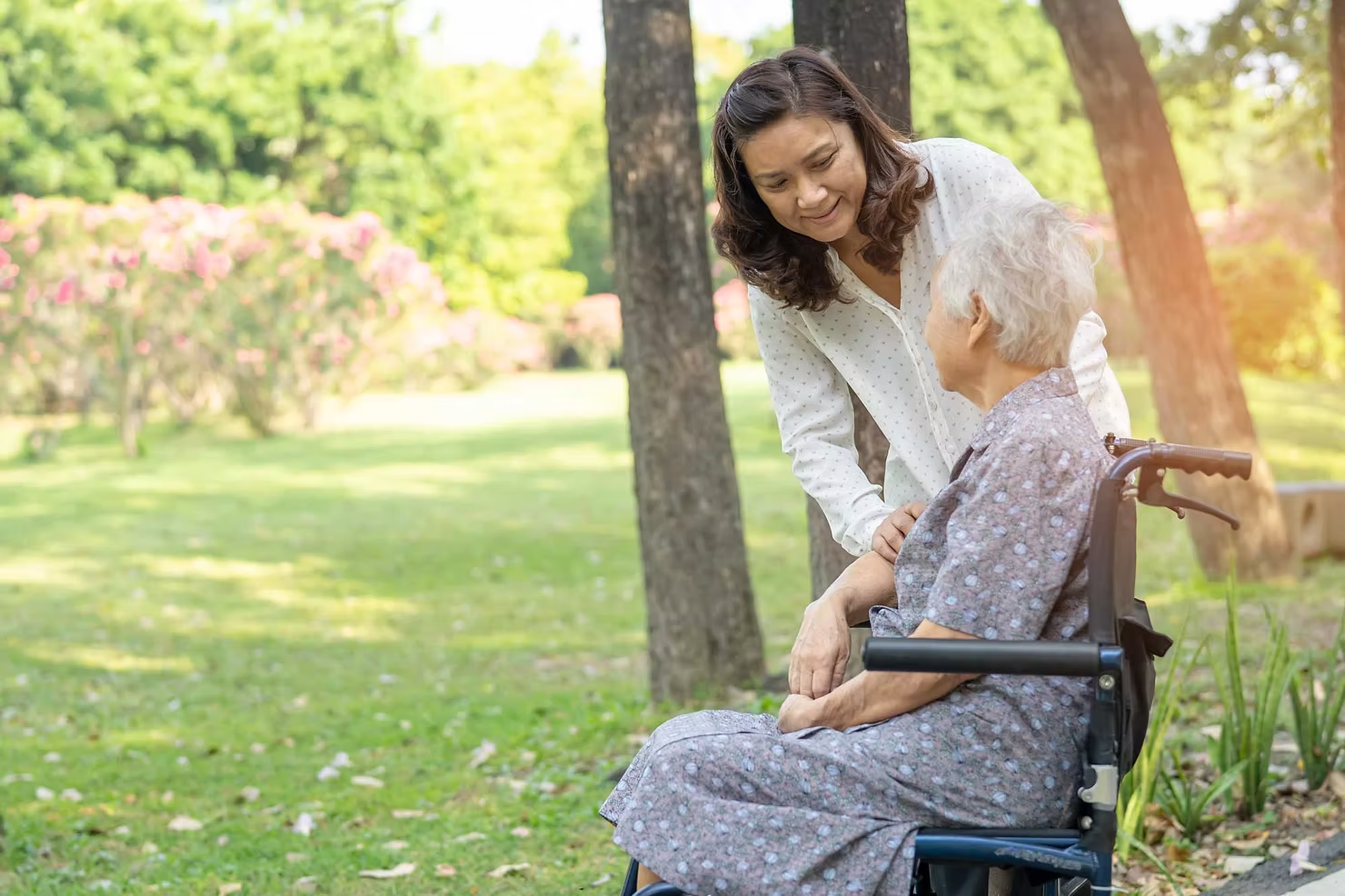
“One person caring for another represents life’s greatest value” encourages that caregiving is a noble journey of unconditional love and compassion. Be that as it may be, caregivers face tremendous challenges that impact their physical and emotional health. And unless they manage these challenges well, caregivers face the dire impact of both physical and emotional burnout.
Each care-giving journey is different, and likewise the challenges. The ‘sandwich’ generation need to now juggle added responsibilities and priorities. Still others need to put their lives on hold while others feel hopeless without any help available.
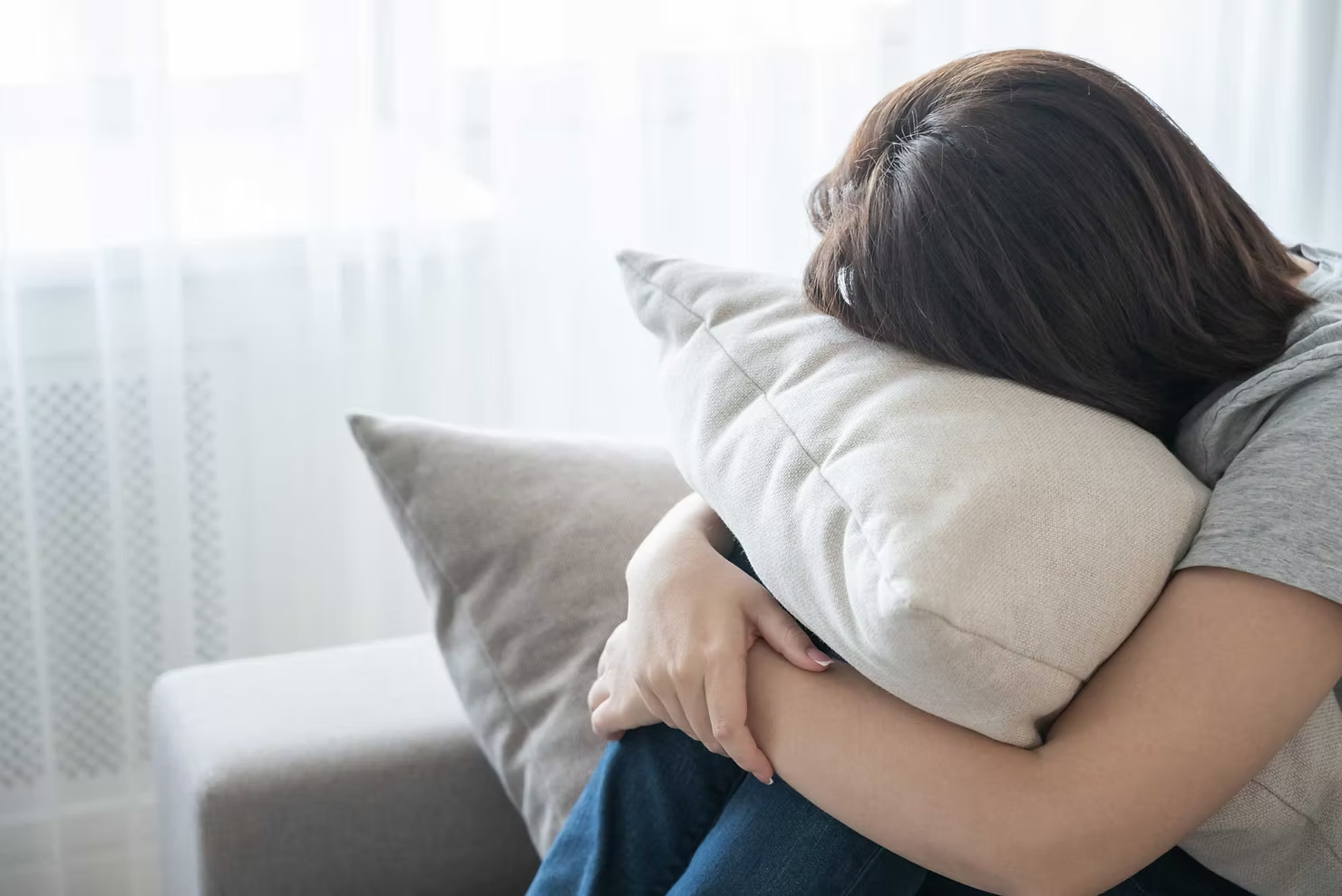
However, all have something in common – albeit in differing intensities and contexts – and it is the anxiety; worry and fear they experience in caregiving. These can cause loss of sleep, lack of appetite, chronic pain, and fatigue. Many also feel frustrated, resentful, and angry: emotions that harm their emotional health.
One helping technique, most potent over others, is self-care: simply because caregivers first need to be well to give care effectively. HALT is a simple acronym to remind caregivers about self-care.
Hungry
Angry
Lonely
Tired
It stands for Hungry, Angry, Lonely and Tired, emphasising caring for both the physical and emotional. Proper food and sufficient rest energize not only the body, but also the mind to facilitate caregiving.
As for angry (frustrated, resentful) and lonely: these negative emotions are often suppressed because addressing them can be painful and frightening. Suppressing them is not helpful because they gradually erode emotional health, exacerbating caregiving stress. Joining a support group or talking to someone may help identify and discern underlying issues and bring greater clarity and calm.
When our handphone’s battery runs low, we need to charge it to get it going again. Each of us is much like that: we are not good when our ‘batteries’ run low – like when we are hungry, angry, lonely and tired. Being aware of the benefits of self-care may motivate caregivers to carve out some time to take care of themselves so that they can effectively take care of their loved ones.
By Eunice Gan, Emotional Wellness Coach & Trainer